Pond Care Tips for Maintaining Healthy Ecosystem
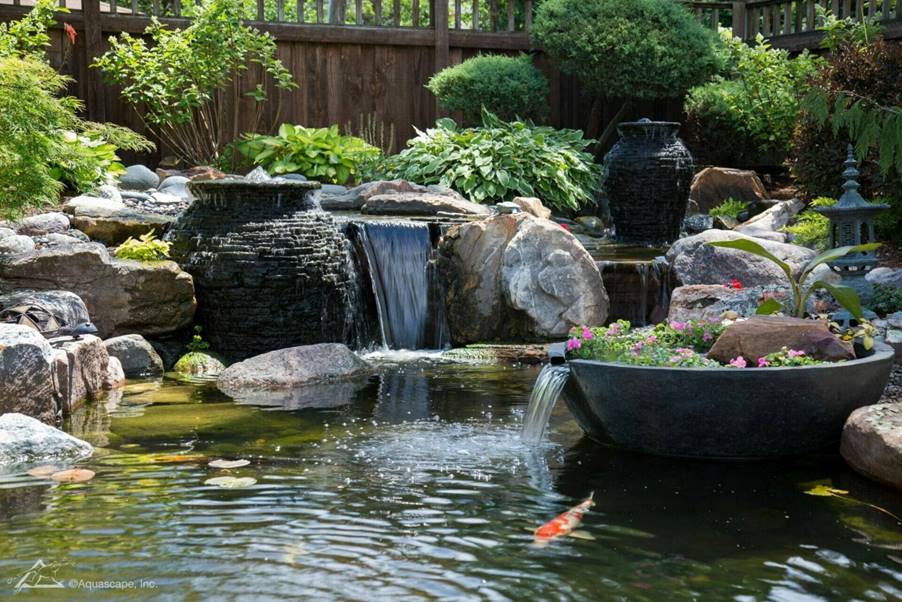
The backyard pond is a serene and tranquil area. It is appealing, colorful and catches your attention. But back of that veneer of stillness, you have a full living system, one that will only prosper on condition that you maintain it in a healthy state. It is not only about crystal clear water or beautiful fish.
Pond caring means keeping algae blooms, sludge, and cloudy water away.
They creep up:
- When the balance slips
- When filtration stalls
- When nutrients pile up faster than nature can digest them
Therefore, you require a filtration system. The filter system circulates, cleans and supplies oxygen into the water continuously. The bacteria do their jobs in the background, silently breaking down waste, transforming toxin excess so that ammonia does not go too high.
Good equipment is important. For example, a good designed filter system such as the Evolution Aqua Nexus can save hours of inconvenience. It is constructed for clarity and easy maintenance, which is worth all the money. Besides, good advice counts just like the equipment. Someone like That Pond Guy can help you spot the problems before they turn serious. A single overlooked issue like a fish gasping near the surface or a sudden cloudy tint can tell a bigger story if you know how to read it.
Watching the Water’s Chemistry
Water doesn’t stay still. It shifts daily, especially in outdoor ponds where temperature, rain, sunlight, and decaying matter constantly mess with its chemistry.
So, regularly check the:
- pH level [6.5 and 8.0]
- Level of ammonia, nitrite and nitrate. Should there be a burst of ammonia or nitrite, then it is typically a red flag such as more number of fish in the water, over feeding or exhausted filtration.
Continue filling up the pond with de-chlorinated water. Don’t use the tap water as it carries chlorine and chloramines which kill the beneficial bacteria. Change a little water every two weeks to replenish minerals and reduce accumulation of nutrients.
Keeping It Clean – Physically
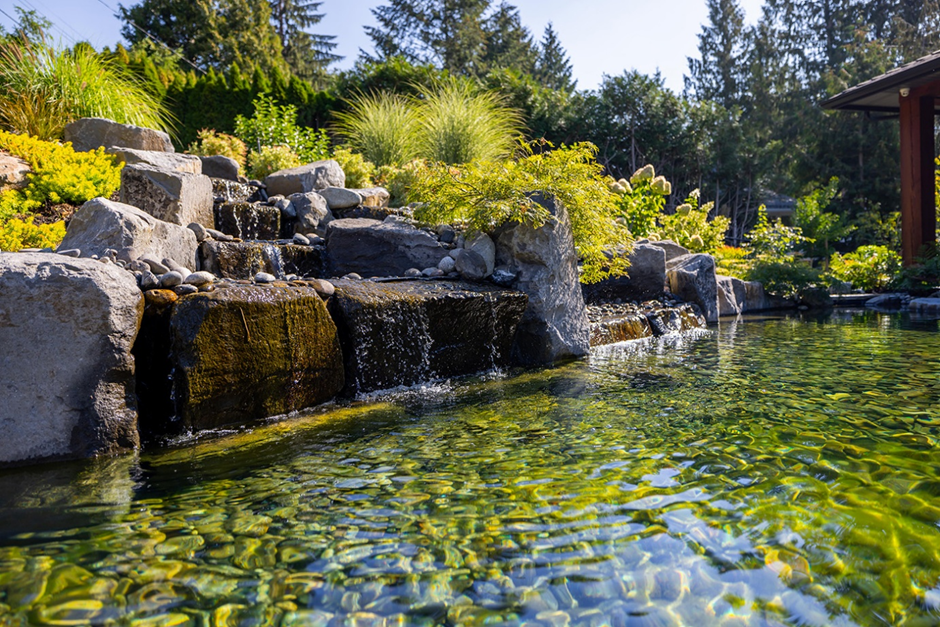
No matter how well water chemistry is, there is the concerns about keeping away the muck that settles at the bottom. The sludge is heavy and suffocating, that chokes all life the bottom.
- Skimming especially in fall when debris rains down nonstop is good.
- Use a pond vacuum for what settles deep. It’s faster and less destructive than draining the entire pond.
- Trim plants too. Water lilies and cattails grow wild if you let them, choking light and oxygen from the surface. A trimmed pond looks better and it also breathes easier.
The Seasons Change Everything
Each season rewrites the maintenance routine.
- Spring: Check every pump, hose, and filter before things warm up. Slowly bring fish back to feeding once water hits around 55°F (13°C).
- Summer: Heat steals oxygen fast. Aeration is your best friend, along with some shade to keep algae from taking over.
- Autumn: Work ahead. Net the pond before leaves start falling; this simple step prevents half your winter headaches. When the water cools below 50°F (10°C), feed less. When it drops lower still, stop entirely.
- Winter: Keep one small hole open in the ice with a de-icer or aerator. That’s how gases escape and fish survive till spring returns.
Taking pond maintenance seriously with patience and knowledge of the ecology behind it, you are assured that your water feature will be your source of relaxation and natural beauty for many years down the line