Ink Jet Printing onto Tile: How It Works and Why It’s Revolutionizing Interior Design
Few manufacturing breakthroughs have influenced interior décor as dramatically as Ink Jet Printing onto Tile. By spraying microscopic droplets of pigment with photographic precision, today’s tile printers reproduce everything from Calacatta marble veining to distressed barnwood grain—without the cost, weight, or maintenance headaches of the real materials. Designers gain limitless creative freedom, while homeowners enjoy surfaces that stay
How the Digital Process Works
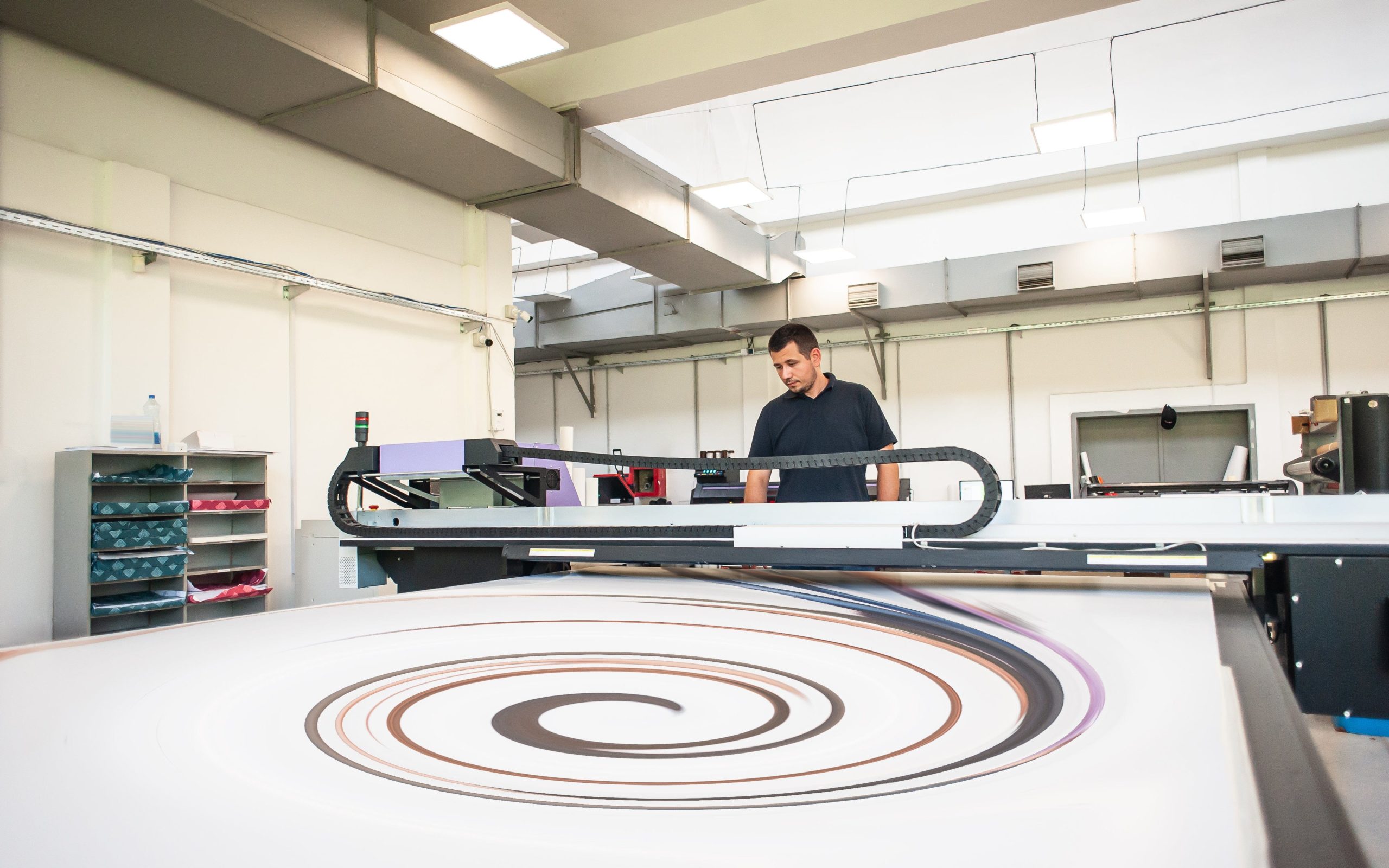
Modern ceramic production lines position a high-resolution ink-jet print head just after the glaze station. The head jets mineral-based inks that sink slightly into the wet glaze. Tiles then enter the kiln, where firing fuses pigment and glassy glaze into a single, wear-resistant layer—a process that makes Ink Jet Printing onto Tile virtually scratch-proof and impervious to fading. For short runs or ultra-large mural pieces, UV flatbed printers can also jet directly onto already-fired porcelain and cure the ink instantly under ultraviolet lamps, opening new possibilities for bespoke projects and on-site replacements.
Why Specifiers Love Ink Jet Printing onto Tile
- Hyper-Realistic Aesthetics – Digital heads can fire droplets as small as 5 pL, eliminating obvious repeat patterns and capturing lifelike stone veining, wood knots, or terrazzo chips.
- Built-In Durability – Because colour fuses beneath the surface glaze, tiles resist abrasion, household chemicals, and UV exposure better than traditional surface-printed products.
- On-Demand Customisation – Every tile in a batch can carry a unique design or serial number, reducing overstock and letting brands deliver limited-edition looks without tooling changes.
- Lower Production Costs – Eliminating silkscreens and decals slashes setup time and ink waste, with industrial lines now topping 1 500 m² per hour at commercial resolutions.
- Eco-Smarter Manufacturing – Precise droplet placement uses only the pigment required; many plants pair water-based ceramic inks with closed-loop recovery to minimise VOCs.
Design & Material Considerations
When planning artwork for Ink Jet Printing onto Tile, supply 300 DPI files at final size and keep key elements 3–4 mm from anticipated grout lines. Rich black tones print best as composite builds (e.g., 60 C / 40 M / 40 Y / 100 K) rather than a single K channel. For installations subject to heavy traffic—hotel lobbies, transit hubs—specify porcelain bodies rated PEI IV or V so the substrate matches the surface’s durability.
Comparing Popular Digital Techniques (Without the Table)
In-Line Ceramic Inkjets embed mineral pigments under the glaze on unfired tiles—ideal for mass production where abrasion resistance is paramount.
UV Flatbed Printing jets curable inks onto already-fired or glass-backed tiles and instantly hardens them, perfect for one-off art panels up to 48 × 96 inches.
Dye-Sublimation Transfers print the image on coated paper first, then gas the dye into specially treated, light-coloured tiles via heat and pressure—best for photographic wall murals but less abrasion-proof than in-glaze methods.
Each route can deliver vivid, long-lasting colour; choosing the right one depends on run length, abrasion requirements, and budget.
Installation & Maintenance Best Practices
Apply tiles with a high-bond thinset suitable for porcelain; kiln-fused prints require no special adhesive. After grouting, wipe the surface with a neutral-pH cleaner to remove haze. For everyday care, avoid acidic agents and scourers—strong chemicals aren’t necessary because the print sits beneath a glassy finish.
Environmental Impact
Digital ceramic decoration virtually eliminates the screens, solvents, and heavy-metal frits once common in tile manufacturing. Some producers have cut water consumption by half and ink waste by 70 % thanks to drop-on-demand heads and closed filtration loops. Choosing lead-free, water-based pigments further shrinks a project’s ecological footprint.
Why Partner with Image Square Printing
Image Square Printing employs calibrated UV flatbeds and advanced ceramic lines dedicated to Ink Jet Printing onto Tile. Their experts prepare colour-managed files, add protective clear coats when needed, and can ship custom tile murals worldwide in as little as one week—all while using GREENGUARD-certified inks and recyclable packaging.
Whether you want a lobby floor that mirrors Italian Carrara, a restaurant feature wall clad in vintage newspaper graphics, or a branded mosaic that endures beach-front weather, Ink Jet Printing onto Tile delivers unparalleled design freedom and performance. Explore the possibilities with Image Square Printing, and transform any surface into a work of art that lasts.